
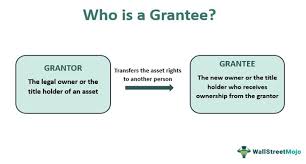
 Entering the world of property law can often feel like learning a new language. You will frequently encounter the terms “Grantor” and Grantee. In any real estate transaction, the grantee is the person or entity that is receiving an interest in a property. In the vast majority of cases, the grantee is simply the buyer. When a deed is signed and recorded, the rights to the SFH or the parcel of land are “granted” to the new owner. While the grantor (the seller) initiates the transfer, the grantee is the one who ultimately holds the legal title and all the rights associated with it. Understanding your status as a grantee is vital because it defines what protections you have against future claims to your land.
Whether you are a first-time homebuyer or a seasoned developer looking at plottage in real estate, your name will appear on the deed as the grantee. This designation is what gives you the power to sign a future PSA in real estate when you eventually decide to sell. However, the strength of your position as a grantee depends entirely on the type of deed used to transfer the property.
The Relationship Between Grantee and Deed Type
Not all grants of property are created equal. Depending on the level of risk the grantor is willing to take, the grantee might receive different levels of protection. The three most common types of deeds for a grantee are:
- General Warranty Deed: This is the “Gold Standard” for a grantee. It provides a guarantee that the title is clear and that the grantor will defend the grantee against any claims dating back to the beginning of time.
- Special Warranty Deed: This is common in commercial deals. It only guarantees that the grantor didn’t create any title issues *during their ownership*. If a latent defect in the title existed before the grantor owned it, the grantee might be on their own.
- Quitclaim Deed: This offers the least protection. The grantor simply says, “Whatever interest I have, I give to you.” It makes no promises that the title is even valid. It is rarely used when a property is under contract between strangers.
Rights and Obligations of the Grantee
Being a grantee isn’t just about receiving rights; it’s about fulfilling obligations. Once the transfer is recorded at the county office, the grantee becomes responsible for property taxes, maintenance, and adhering to any local CCR in real estate. If the grantee has used financing to purchase the parcel, they also become the “mortgagor.” In this secondary relationship, the lender is technically a grantee of a “security interest” in the property. If the borrower defaults, the lender exercises their rights to initiate foreclosure. This is why an underwriter will spend so much time verifying the grantee’s POF (Proof of Funds) and credit history before approving the grant.
Why the Grantee Name Must Be Precise
One of the most common reasons for a delay in reaching a settlement statement is a misspelling of the grantee’s name. In the eyes of the law, “John Doe” and “John A. Doe” might as well be two different people. If the name on the RPA in real estate does not match the name on the deed, it can create a “cloud” on the title. For investors who are buying multiple parcels for development, they often choose to be the grantee as a corporate entity (like an LLC) rather than an individual. This provides liability protection and makes the T12 financial reporting much cleaner for tax purposes.
Conclusion
The role of the grantee is the foundation of property ownership. By accepting the deed, you are accepting the physical property, its financial history, and its legal future. It is a position that requires careful due diligence and professional guidance.
Before you accept your status as a grantee, ensure your attorney has reviewed the real estate comps to verify the price is fair. If you are buying a SFH, look for any latent defect that could affect your enjoyment of the land. Verify that the TRID disclosures match the terms of your loan. Finally, check your final settlement statement to ensure your name is spelled correctly as the grantee. By being a diligent grantee, you protect your investment for years to come.