
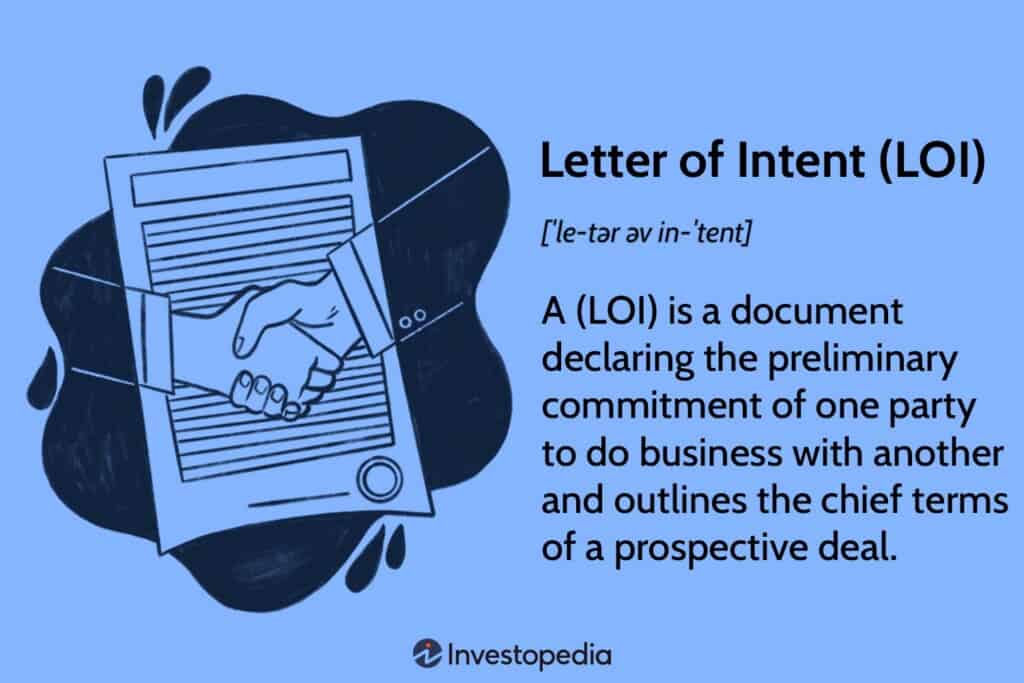
 In the world of high-stakes real estate, jumping straight into a forty-page legal contract is often like asking someone to marry you on the first date. It’s too much, too fast, and carries too much legal weight before the basic terms are even settled. This is why seasoned investors and commercial brokers rely on the LOI, or Letter of Intent. It serves as the “handshake” that precedes the formal agreement, allowing both parties to see if they are on the same page before spending thousands on attorney fees.
A Letter of Intent is a document outlining the preliminary terms of a formal agreement. While it is most common in commercial real estate, it is also used in complex residential deals. It acts as a roadmap for the transaction, highlighting the price, the timeline, and the most critical “deal-breaker” conditions.
Is an LOI Legally Binding?
This is the most common question regarding an LOI. The short answer is: Usually not, but it depends on the language used.
Most LOIs explicitly state that they are “non-binding.” This means that either the buyer or the seller can walk away without a penalty if they cannot agree on the final details. However, certain sections of an LOI are often binding, such as:
- Exclusivity (The “No-Shop” Clause): The seller agrees not to negotiate with other buyers for a set period (e.g., 30 days) while the buyer performs due diligence.
- Confidentiality: Both parties agree not to disclose the terms of the deal or the property’s financial data to the public.
- Governing Law: Which state’s laws will apply if a dispute arises over the LOI itself.
Key Components of a Robust Letter of Intent
To be effective, an LOI should be more than just a one-page note. It needs to cover the “bones” of the deal. If you are drafting one, ensure it includes the following:
1. Purchase Price and Payment Terms
Beyond just the total price, the LOI should specify the EMD (Earnest Money Deposit) amount and how it will be held. It should also clarify if the deal is all-cash or contingent on financing. If you are an investor using a T12 (Trailing 12-month financial statement) to value the property, mention that the price is based on those figures.
2. The Inspection or “Due Diligence” Period
This is the window of time the buyer has to inspect the parcel, check the zoning laws, and review the building’s physical state. In an LOI, you define how long this period will last—typically 30 to 60 days for commercial assets.
3. Closing Date
When will the final settlement statement be signed? Setting a target date in the LOI keeps both parties moving toward the finish line with a sense of urgency.
4. Contingencies
Will the deal only go through if the buyer can get a specific permit? Or if they can confirm the GLA (Gross Living Area) matches the marketing materials? Listing these “outs” early prevents surprises during the formal contract phase.
Why Use an LOI Instead of a PSA?
You might wonder why you wouldn’t just use a PSA (Purchase and Sale Agreement) from the start. The LOI offers several strategic advantages:
- Efficiency: An LOI can be drafted in an hour. A PSA can take weeks of legal back-and-forth.
- Psychology: It’s easier to get a seller to agree to a “Letter of Intent” than a “Binding Contract.” It builds momentum and trust.
- Cost Savings: If the parties are millions of dollars apart on price, you find that out through the LOI before paying an attorney $5,000 to draft a contract that will never be signed.
The Path from LOI to “Under Contract”
Once both parties sign the LOI, the “Exclusivity Period” begins. During this time, the buyer’s team will swarm the property. They might bring in architects to look at the fixtures, or accountants to verify the net absorption of a retail center. If everything checks out, the attorneys will take the LOI and turn it into a formal, binding Purchase and Sale Agreement. At that point, the property is officially under contract.
Common Pitfalls to Avoid
The biggest mistake in using an LOI is being too vague. If you don’t specify who pays for the ALTA survey or how long the financing contingency lasts, those arguments will simply happen later during the contract phase, potentially killing the deal. Another mistake is forgetting to sign the “Non-Binding” disclaimer, which could accidentally lead a court to rule that you have entered into a binding legal obligation.
Conclusion
The LOI (Letter of Intent) is the bridge between a casual interest and a closed deal. It allows real estate professionals to act quickly and decisively without the immediate burden of heavy legal entanglement. Whether you are buying a small SFH as an investment or a massive industrial warehouse, mastering the LOI is an essential skill for any serious real estate player.
Curious about what happens when a deal gets more complicated? Learn about the kick out clause in real estate to see how sellers protect themselves while waiting for a buyer.