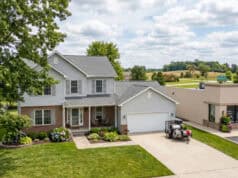

Every piece of land has a destiny, but that destiny isn’t usually determined by the owner alone. Instead, it is governed by a complex set of local regulations known as zoning. If you have ever wondered why you don’t see a massive skyscraper in the middle of a quiet suburban neighborhood, or why a noisy factory isn’t built next to a hospital, you have zoning laws to thank. Zoning is the primary tool used by local governments to control the development and use of land within their jurisdictions.
For the real estate investor, homeowner, or developer, zoning is perhaps the most critical factor in determining a property’s value and potential. It dictates everything from the height of a building to the number of pets you can keep on your parcel. Understanding these “invisible borders” is essential before signing any PSA (Purchase and Sale Agreement).
The Core Objectives of Zoning Regulations
Zoning didn’t happen by accident. It emerged in the early 20th century as cities became increasingly crowded and chaotic. The goal was to create “orderly growth.” Today, zoning serves several key functions:
- Protection of Property Value: By ensuring that a gas station doesn’t open next to a high-end residential estate, zoning protects the financial investments of homeowners.
- Public Health and Safety: Zoning keeps industrial pollutants away from residential water sources and ensures that high-traffic businesses are located near major infrastructure.
- Environmental Conservation: Many zones are designed to protect wetlands, forests, or agricultural land from urban sprawl.
The “Big Four” Zoning Categories
While every municipality has its own unique codes (often filling hundreds of pages), most zoning falls into four primary buckets. Each has its own set of rules regarding “setbacks,” “density,” and “allowable use.”
1. Residential (R)
Residential zones are dedicated to housing. These are often sub-categorized by density. For instance, R-1 might only allow for a single SFH (Single Family Home), while R-3 might allow for high-rise apartment buildings. Zoning also dictates “accessory uses,” such as whether you can build a mother-in-law suite or run a small home office.
2. Commercial (C)
Commercial zones are for-profit zones. This includes retail stores, office buildings, restaurants, and hotels. Local governments often use commercial zoning to create “hubs” of economic activity. If you are looking at a property for a business, you must ensure the specific type of business is permitted; a zone that allows a bookstore might not allow a bar or a cannabis dispensary.
3. Industrial (I)
This is where the heavy lifting happens. Industrial zones are for manufacturing, power plants, and distribution centers. Because of the noise, light pollution, and truck traffic, these zones are typically isolated from residential areas. Investors in this space often track net absorption rates to see how quickly industrial space is being leased.
4. Agricultural (A)
Agricultural zoning is designed to protect farmland and open space. It often limits the number of houses that can be built to one per every 10, 20, or even 40 acres. This prevents developers from buying up cheap farmland and turning it into a dense subdivision without proper infrastructure.
The Complexities: Variances, Non-Conforming Use, and Re-Zoning
Zoning is not always set in stone, but changing it is a bureaucratic marathon. There are three main ways a property might “break the rules” of its current zone:
The Variance: A variance is a request for a minor exception. For example, if your lot is uniquely shaped and you can’t build your house within the required 20-foot setback, you can ask the city for a “setback variance.” You aren’t changing the zone; you are just asking for a hall pass.
Non-Conforming Use (Grandfathering): If a zoning law changes but your building was already there, you have a “legal non-conforming use.” You can continue your operations, but there are usually strict rules against expanding the building or rebuilding it if it is destroyed. This is a common issue uncovered during the title search and can sometimes be seen as a latent defect if not properly disclosed.
Re-Zoning: This is the most difficult path. It involves petitioning the city to change the actual classification of the land—for example, from residential to commercial. This usually requires public hearings, where neighbors may protest the change. If the government decides to take land for public use during this process, it may lead to condemnation proceedings.
Why Zoning Matters to You
If you are a buyer, zoning determines your quality of life. If you are an investor, it determines your ROI. Imagine buying a large lot with the intent to build four townhomes, only to find out after closing that the zoning only allows for one house. This error could cost hundreds of thousands of dollars.
Before buying any property, always request a Zoning Verification Letter from the local planning department. This document is the only way to be 100% sure of what is legally allowed on the property. Furthermore, checking for any special assessments related to zoning-driven infrastructure (like new sewers or roads) is a vital part of your due diligence.
Conclusion
Zoning is the DNA of a city. It defines the character of our neighborhoods and the efficiency of our business districts. While it can often feel like a hurdle of red tape, it provides the essential structure that keeps real estate markets stable and predictable. Whether you are dealing with a simple REO property or a massive commercial development, never overlook the zoning—it is the most powerful “hidden” feature of any property.
Want to know more about the legalities of property? Read our latest post on adverse possession in real estate to learn how land rights can shift over time.