
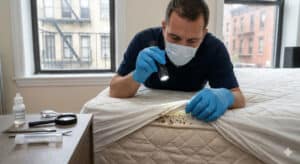
Bed bugs are one of the most stressful pest problems a New York City resident can face because they affect the place where people feel most vulnerable: their bed, their sleep, and their sense of safety at home. A few unexplained bites, tiny dark spots on a mattress seam, or a single insect near the headboard can quickly turn into anxiety, disrupted sleep, and uncertainty about what to do next.
In a city filled with apartments, shared walls, hotels, offices, public transit, laundromats, and constant movement, bed bugs can spread quietly before they are noticed. Effective bed bug treatment in NYC is not simply about killing visible insects. It requires accurate detection, careful preparation, targeted treatment, follow-up, and prevention habits that reduce the risk of reintroduction.
Why Bed Bugs Are So Difficult to Control in NYC
New York City creates ideal conditions for bed bug movement. High-density housing means people live close together, and bed bugs can travel through personal belongings, furniture, luggage, clothing, and shared building spaces.
Unlike cockroaches or rodents, bed bugs are not attracted by dirt or poor sanitation. They are attracted to people. They feed on blood, hide near sleeping or resting areas, and can survive for extended periods between meals under the right conditions.
This is why even clean, well-maintained homes can experience bed bugs. The issue is not cleanliness; it is exposure, detection timing, and how quickly the problem is addressed.
Early Signs That Should Be Taken Seriously
Bed bugs are small, flat, and skilled at hiding. Early infestations are often missed because the signs can be subtle. Residents may notice itchy bite marks, although bites alone are not reliable proof because reactions vary widely from person to person.
More dependable signs include small black or brown fecal spots on mattress seams, shed skins, pale eggs, blood spots on sheets, or live insects in cracks near the bed. Bed bugs often hide in mattress piping, box springs, headboards, bed frames, baseboards, nightstands, outlets, and upholstered furniture.
The sooner these signs are investigated, the easier the infestation is to contain. Waiting allows bed bugs to spread farther from the original resting area.
Why Inspection Comes Before Treatment
A proper inspection is the foundation of successful bed bug treatment. Without knowing where activity is concentrated, treatment can miss hidden harborages and allow the infestation to rebound.
Inspection should focus first on sleeping and resting areas. Beds, couches, recliners, and nearby furniture should be examined carefully with a flashlight. Seams, cracks, screw holes, fabric folds, and underside surfaces matter because bed bugs prefer tight, protected spaces.
In apartments, inspection may also need to consider neighboring units if activity is recurring or widespread. Bed bugs can move through walls, hallways, utility lines, or shared furniture storage areas, especially when infestations are not addressed consistently.
How Bed Bugs Spread Through Homes and Buildings
Bed bugs usually spread through the movement of people and objects. Luggage after travel, used furniture, shared laundry areas, overnight guests, and workplace exposure can all introduce them into a home.
Once inside, they tend to stay close to where people sleep or rest. As the population grows, they may spread to nearby furniture, closets, wall voids, baseboards, and adjacent rooms. In heavy infestations, they may appear in unusual places because competition for hiding space increases.
This spreading pattern is why bed bug treatment in NYC must address more than the mattress. Treating only the bed may reduce visible activity, but hidden insects in surrounding areas can continue feeding and reproducing.
Preparation Can Affect the Outcome
Preparation is often misunderstood. Some residents panic and start moving belongings from room to room, which can spread bed bugs. Others throw away mattresses or furniture unnecessarily, creating financial loss without solving the infestation.
Good preparation is controlled and purposeful. Bedding, clothing, and washable fabrics from affected areas should usually be dried on high heat when fabric care labels allow. Heat from a dryer is often more practical than washing alone because sustained high temperatures can kill bed bugs and eggs.
Items should be sealed in bags before being moved through the home or building. Clutter should be reduced carefully because piles of belongings create hiding places, but belongings should not be relocated without a plan.
Treatment Methods That Work Together
There is no single method that solves every bed bug situation. Effective bed bug treatment NYC often combines several tools, including targeted insecticide applications, steam, heat, vacuuming, mattress encasements, monitoring devices, and follow-up inspections.
Steam can be useful for seams, cracks, and fabric surfaces when applied correctly. Vacuuming can remove visible insects and debris but should not be treated as a complete solution. Mattress and box spring encasements can trap remaining insects inside and make future inspections easier.
Professional treatments often use products and techniques selected for specific hiding areas. The goal is to reach bed bugs where they live, not simply treat open surfaces.
Why Follow-Up Is Essential
Bed bugs are difficult partly because eggs may survive some treatments and hatch later. Even when most insects are eliminated, a small number can restart activity if follow-up is missed.
This makes follow-up one of the most important parts of bed bug treatment in NYC. Inspections after treatment help confirm whether activity has stopped or whether additional targeted work is needed.
Residents should continue monitoring sleeping areas, avoiding unnecessary movement of belongings, and reporting new signs quickly. A treatment plan is strongest when residents and technicians work from the same evidence rather than assumptions.
Common Mistakes That Make Infestations Worse
Panic often creates more problems than the insects themselves. Moving to another room to sleep can encourage bed bugs to follow and spread. Throwing infested furniture into hallways can expose neighbors. Using over-the-counter foggers may scatter bed bugs deeper into walls and furniture while failing to reach hidden eggs.
Another common mistake is stopping too early. Once bites decrease, some people assume the issue is gone. But bed bugs can be present without immediate bite reactions, and low-level activity may persist quietly.
Careful monitoring is more reliable than hope. Interceptors under bed legs, mattress encasements, and scheduled inspections can provide better evidence of progress.
Special Challenges in Apartments and Shared Buildings
Apartment buildings require coordination. If one unit is treated but nearby units remain infested, bed bugs may return. This is especially true in buildings with frequent tenant turnover, shared laundry rooms, furniture disposal areas, or delayed reporting.
Property managers and residents both play a role. Residents should report signs early and avoid spreading belongings. Building teams should respond quickly, document complaints, and consider adjacent inspections when appropriate.
In dense housing, bed bug treatment in NYC is most effective when treated as a building-risk issue rather than an isolated personal failure.
Reducing the Risk of Reintroduction
After elimination, prevention becomes the priority. Residents should inspect secondhand furniture carefully and avoid bringing discarded items from sidewalks into the home. Luggage should be checked after travel, especially seams, zippers, and corners.
When returning from hotels or shared accommodations, clothing can be placed directly into the dryer on high heat when suitable. Bags should be inspected before being stored near bedrooms.
These habits do not create perfect protection, but they reduce risk. In a city where exposure can happen through ordinary life, prevention is about building routines that catch problems early.
Full Elimination Requires Evidence, Not Guesswork
A bed bug problem is emotionally exhausting because it creates uncertainty. People wonder where the insects came from, whether they are still present, and whether every mark on the skin means the problem has returned.
The most reliable path from detection to elimination is evidence-based: confirm the pest, map the activity, prepare carefully, treat hidden harborages, follow up, and monitor until there are no continuing signs.
Effective bed bug treatment in NYC is not defined by how aggressive the first response looks. It is defined by whether the full life cycle is interrupted and whether the home becomes inspectable, controlled, and stable again. In New York City, the strongest approach is not panic or guesswork, but disciplined detection and consistent elimination until the evidence shows the infestation is truly over.