
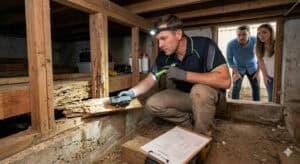
Buying a property is rarely a straight line from offer to settlement. Even when both parties agree on a price, unexpected findings during inspections can quickly shift the conversation. One of the most common surprises comes from pest inspections, particularly when termite activity or structural timber damage is discovered.
For homebuyers and property investors, the big question becomes clear: can you renegotiate the purchase price if pest damage is uncovered?
The short answer is yes, in many situations you can. But how and when you renegotiate depends heavily on the contract conditions, the severity of the damage, and how you present your case to the seller.
Understanding how this process works can make the difference between overpaying for a problem property and negotiating a fair outcome.
Why Pest Inspections Matter in Property Purchases
Pest inspections are designed to uncover issues that are not visible during a normal walkthrough of the property. While buyers often focus on structural issues such as cracks or plumbing problems, pest activity can quietly cause extensive damage behind walls, under flooring, and inside roof cavities.
Termites are the most serious concern in many Australian homes. They can weaken timber framing, floor supports, and even roofing structures without leaving obvious signs.
When pest damage is discovered during the due diligence phase, buyers gain new information that was not available when the original offer was made. This shift in knowledge creates a legitimate basis for renegotiation.
From a negotiation perspective, the inspection report essentially changes the risk profile of the property.
Understanding Contract Conditions Before Renegotiating
Whether renegotiation is possible often depends on the conditions written into the purchase contract.
Many contracts include clauses allowing buyers to conduct building and pest inspections within a specified time frame. If the report identifies significant issues, the buyer may have several options.
These may include requesting repairs, asking for a price reduction, or in some cases withdrawing from the contract entirely.
Buyers who waived inspection conditions have fewer negotiation options. In these cases the seller is not obligated to adjust the price, although some may still negotiate to keep the deal alive.
Before approaching the seller, buyers should carefully review their contract terms with their conveyancer or solicitor. Knowing your legal position helps shape a negotiation that is both realistic and credible.
How Inspection Reports Strengthen Negotiation Leverage
Inspection reports provide objective evidence. Without documentation, complaints about damage can easily become subjective disagreements between buyer and seller.
A detailed report from a qualified inspector gives buyers a strong foundation for renegotiation. The report typically outlines the type of pest activity, the areas affected, and the likely extent of damage.
It may also include recommendations for treatment or repairs.
This information allows buyers to quantify the financial impact of the issue. Instead of simply asking for a lower price, buyers can present a clear explanation tied to repair costs, risk, and future maintenance requirements.
When handled correctly, this approach makes the negotiation feel reasonable rather than opportunistic.
Where Professional Inspections Fit Into the Process
The strength of a negotiation often comes down to the credibility of the inspection itself. A professionally prepared report carries far more weight than informal observations.
Buyers often rely on services such as Melbourne Building and Pest Inspection to provide detailed assessments before finalising a purchase. These inspections identify both structural concerns and pest activity, helping buyers understand the true condition of the property.
From a negotiation standpoint, the value lies in the clarity of the findings. When sellers are presented with a formal inspection report, they are far more likely to consider price adjustments or repair agreements.
The report becomes a neutral reference point rather than a debate about opinions.
Common Renegotiation Outcomes After Pest Damage Is Found
Once pest damage has been confirmed, buyers typically pursue one of several negotiation strategies.
The first option is a price reduction. This is often the simplest path because it allows the buyer to handle repairs after settlement. Sellers may prefer this option as well since it avoids coordinating contractors before the sale.
Another possibility is requesting that the seller complete repairs before settlement. This approach can work when damage is relatively contained and repair costs are predictable.
In some cases, buyers negotiate a partial repair credit. This means the purchase price remains the same, but the seller contributes a specific amount toward treatment or structural work.
For investors especially, the goal is usually to balance risk and opportunity. A property with manageable pest damage can still be a good investment if the purchase price reflects the true condition.
Evaluating the Severity of Pest Damage
Not all pest damage justifies renegotiation. Minor evidence of past termite activity, especially if treatment has already been completed, may not significantly affect the property’s value.
However, active infestations or structural damage change the equation.
Buyers should consider several factors before deciding how aggressively to renegotiate.
The first is whether the infestation is active. Active termites require immediate treatment and may indicate broader structural vulnerability.
The second is the extent of timber damage. Cosmetic damage to non structural timber is very different from compromised floor supports or roof framing.
The third factor is future risk. Properties in termite prone areas may require ongoing monitoring and preventative treatments.
These considerations help buyers determine whether a modest adjustment or a more substantial price change is justified.
How Sellers Typically Respond to Renegotiation Requests
Sellers react differently depending on their urgency and expectations for the sale.
If the property has been on the market for some time, sellers may be more willing to negotiate rather than restart the selling process with a new buyer.
On the other hand, if the property has multiple interested buyers, the seller may refuse to adjust the price.
In these situations, the quality of the inspection report and the professionalism of the negotiation can influence the outcome.
Presenting evidence calmly and clearly tends to produce better results than making emotional demands.
Buyers should frame the conversation around new information rather than accusations. This keeps negotiations constructive and focused on solving the issue.
When Walking Away Is the Better Option
While renegotiation is often possible, it is not always the best choice.
Extensive termite damage can signal deeper structural issues that may require major repairs. In some cases the cost and uncertainty outweigh the benefits of continuing with the purchase.
Investors and homebuyers alike should consider whether the property still meets their financial and lifestyle goals after accounting for repairs.
Walking away can feel frustrating, especially after time and money have already been invested in inspections. But avoiding a problematic property can save far more in the long run.
Conclusion
Discovering pest damage during a property purchase can feel alarming at first, but it also creates an opportunity to reassess the deal with better information.
Inspection reports provide buyers with a factual basis for renegotiation, allowing them to request price adjustments, repairs, or financial credits depending on the severity of the issue.
Professional services such as Melbourne Building and Pest Inspection play a key role in this process by documenting the condition of the property and identifying risks that may not be visible during a standard viewing.
For buyers, the most important step is approaching renegotiation with evidence, preparation, and realistic expectations. When handled carefully, pest inspection findings can lead to a fairer purchase price and a more informed investment decision.