
Plumbing systems form the hidden infrastructure that allows residential and commercial properties to function safely and efficiently. While the basic purpose of plumbing remains the same across property types, the systems used can vary significantly depending on building size, usage patterns, and regulatory requirements. Understanding these systems provides useful context for how water supply and waste removal are managed in different environments.
Both residential and commercial properties rely on interconnected plumbing components that must operate reliably to support daily activities. The design and complexity of these systems reflect the demands placed on them.
Water Supply Systems
Water supply systems deliver clean water to fixtures, appliances, and equipment throughout a building. In residential properties, these systems are typically designed to support kitchens, bathrooms, laundry areas, and outdoor use.
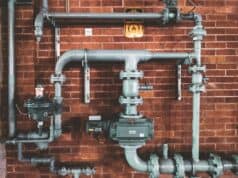
Commercial properties often require higher-capacity supply systems to accommodate increased demand. Larger pipe diameters, pressure-regulating equipment, and zoning controls are common in these environments to ensure consistent water delivery.
Drainage and Waste Removal Systems
Drainage systems remove wastewater and direct it safely away from the building. These systems rely on gravity, venting, and proper pipe sizing to function effectively.
Residential drainage systems usually serve a limited number of fixtures, while commercial systems may handle continuous or heavy usage. Proper slope and vent placement are critical to preventing backups and odor issues.
Vent Systems
Vent systems allow air to enter plumbing lines, helping maintain proper pressure and enabling waste to flow smoothly. Without adequate venting, drainage can slow or become unreliable.
Both residential and commercial properties rely on vent systems, though commercial buildings may require more extensive venting networks due to system scale.
Hot Water Distribution Systems
Hot water systems supply heated water for bathing, cleaning, and operational needs. Residential properties typically use centralized water heaters sized for household demand.
Commercial properties may use multiple heaters or specialized systems to meet continuous or high-volume usage requirements. System design reflects expected load and efficiency considerations.
Specialized Plumbing Systems in Commercial Properties
Commercial buildings may include specialized plumbing systems such as grease traps, industrial drainage, or process piping. These systems address specific operational needs and regulatory standards.
Such systems add complexity and require ongoing oversight to function properly.
Conclusion
Plumbing systems vary across residential and commercial properties based on scale, usage, and regulatory demands. Understanding these systems highlights the importance of proper design, maintenance, and coordination in supporting safe and reliable building operations.