
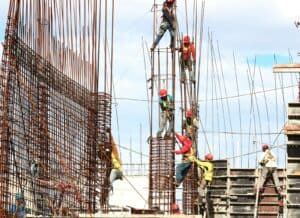
Planning decisions sit at the foundation of every commercial development project. Long before construction activity begins, a complex set of factors shapes how a project is defined, where it is located, and how it is ultimately delivered. These decisions influence not only the physical form of a development but also its long-term viability, operational performance, and relationship with its surrounding environment.
Commercial planning is rarely guided by a single consideration. Instead, it reflects the interaction of market forces, regulatory frameworks, site conditions, financial constraints, and long-term use objectives. Understanding what drives these decisions helps explain why commercial projects vary widely even within the same geographic area.
Market Demand and Economic Conditions
Market demand is one of the strongest drivers of planning decisions in commercial development. Developers assess how different property types—such as offices, retail spaces, hospitality, or industrial facilities—align with current and projected demand.
Economic conditions influence timing and scale. In periods of strong growth, planning may prioritize larger developments or mixed-use projects designed to maximize land value. In more uncertain markets, projects may be phased or scaled conservatively to manage risk.
Rental trends, vacancy rates, and employment patterns all feed into early planning discussions, shaping what type of development is considered viable.
Location and Site Characteristics
Site-specific factors play a critical role in shaping commercial planning decisions. Location influences accessibility, visibility, infrastructure availability, and long-term desirability.
Physical characteristics such as plot size, shape, topography, and soil conditions affect what can be built and how construction will proceed. A constrained or irregular site may limit building footprint or height, influencing design and cost.
Surrounding land uses also matter. Proximity to residential areas, transportation hubs, or industrial zones can shape both design and operational considerations.
Zoning Regulations and Land-Use Policies
Regulatory frameworks heavily influence commercial development planning. Zoning laws define permissible uses, building heights, floor area ratios, and setback requirements.
Land-use policies may encourage certain types of development, such as mixed-use or transit-oriented projects. In other cases, restrictions may limit density or impose design controls that shape building form.
Early engagement with planning authorities helps clarify these constraints and informs realistic development strategies.
Financial Feasibility and Funding Structures
Financial considerations underpin most planning decisions. Development budgets, funding availability, and expected returns influence project scope and design choices.
Planning decisions often balance construction costs against long-term revenue potential. Choices related to building size, materials, and system performance are evaluated through financial feasibility studies.
Funding structures also influence planning. Projects supported by institutional investors, lenders, or public-private partnerships may involve additional reporting, risk management, and phasing requirements.
Intended Use and Operational Requirements
The intended function of a commercial development shapes planning at every level. Offices, retail centers, healthcare facilities, and logistics hubs each have distinct spatial and operational needs.