
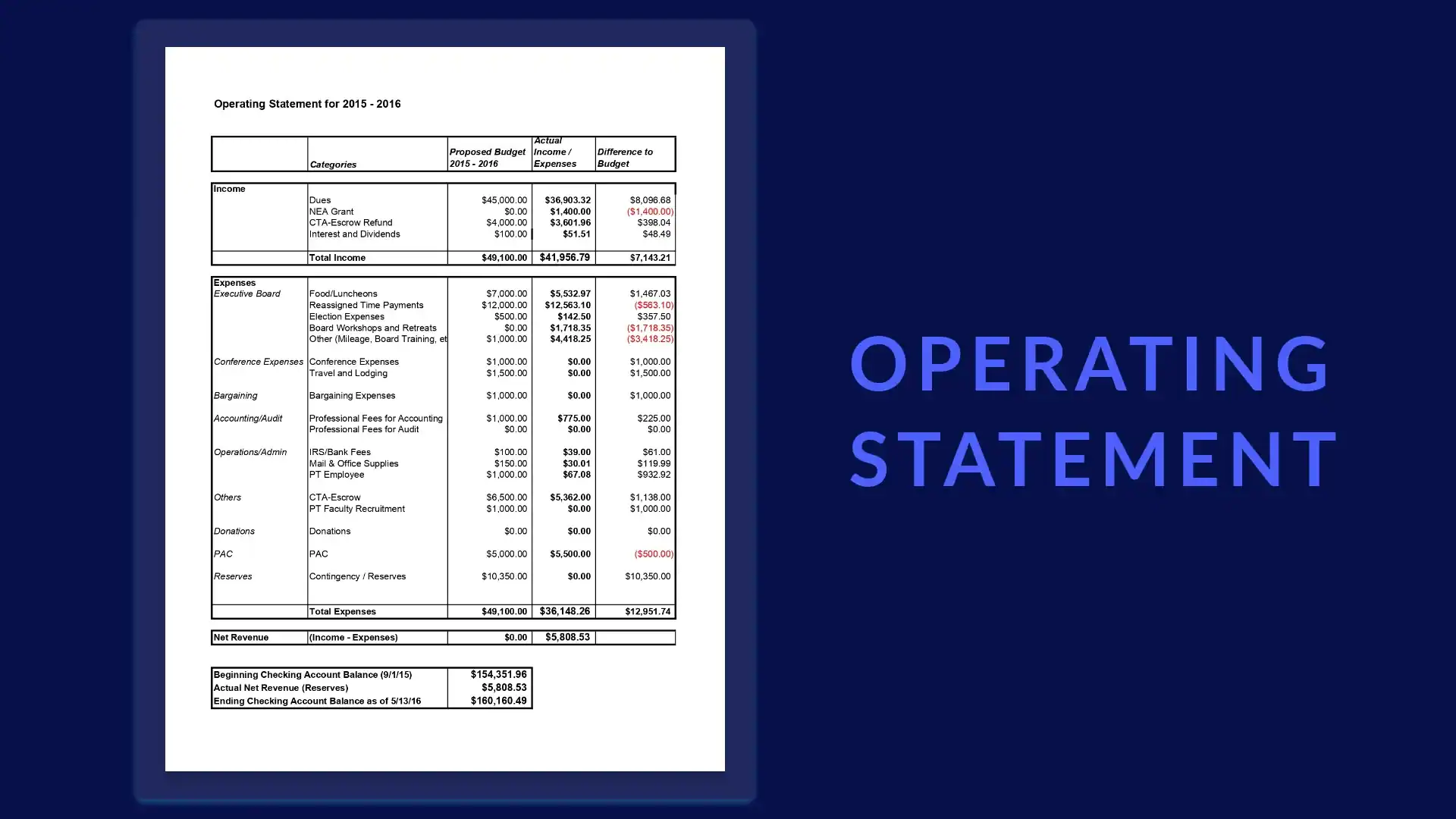
 In the world of commercial real estate and multi-family investing, a property’s value isn’t determined by “curb appeal” or a freshly painted kitchen. Instead, it is determined by one thing: income. When a sophisticated investor looks at a potential acquisition, they don’t just look at a single snapshot of the books; they demand a T12, or a Trailing 12 Months financial statement. The T12 is a detailed, month-by-month breakdown of every dollar that came in and every cent that went out over the last year. It is the most honest document in real estate, stripping away the optimism of a “pro-forma” and replacing it with the cold, hard reality of actual performance.
The T12 allows an investor to see the seasonal rhythms of a parcel. Did the utility bills spike in the winter? Does the vacancy rate jump every August when the local university students move out? By looking at the T12, an investor can identify trends, spot mismanagement, and calculate the true Net Operating Income (NOI) of the property. For any serious investor, the T12 is the primary tool used to justify the purchase price during the under contract phase.
What Exactly Is Inside a T12?
A T12 is essentially a Profit and Loss (P&L) statement that has been expanded. It typically includes three major categories:
- Gross Potential Rent (GPR): This shows what the property would earn if every unit was occupied at current market rates.
- Effective Gross Income (EGI): This is the actual cash collected after subtracting “Loss to Lease” (discounts), vacancies, and “bad debt” (tenants who didn’t pay).
- Operating Expenses: This is the most scrutinized section. It lists everything from property taxes and insurance to “snow removal” and TI (Tenant Improvements).
Why Pro-Formas Lie and T12s Tell the Truth
When a broker lists a property, they often provide a “Pro-Forma.” This is a “what-if” statement: “What if you raised rents by 20% and fired the expensive management company?” While helpful for seeing potential, a pro-forma is a fantasy. The T12 is the historical fact. If the pro-forma says expenses are only 30% of income, but the T12 shows they have actually been 50% for the last year, you know the broker is being overly aggressive.
For example, if you are looking at real estate comps for a multi-family building, the sales price is usually a multiple of the NOI. If the T12 reveals that the owner hasn’t been paying for necessary maintenance—essentially hiding a latent defect in the budget—the buyer can use that data to negotiate a lower price before signing the final PSA.
Using the T12 to Predict Future Performance
The real magic of the T12 happens when you analyze the “trailing” nature of the data. Investors look for net absorption trends—are more units being filled than emptied over the last 12 months? They also look for “expense creep.” If the water bill has increased by 5% every month for the last six months, there might be an underground leak on the parcel that hasn’t been fixed. This type of financial forensic work is what separates successful investors from those who lose their shirts.
Furthermore, a T12 helps in identifying capital expenditure (CapEx) needs. If the “Repairs and Maintenance” line item is consistently high, it suggests the building’s systems are aging. This provides a baseline for the physical due diligence that happens alongside the financial review. A savvy investor will cross-reference the T12 with a physical inspection to ensure the numbers match the reality on the ground.
T12 and the Lender’s Perspective
Banks love the T12. When you apply for a commercial loan, the underwriter will use the T12 to calculate the Debt Service Coverage Ratio (DSCR). If the property doesn’t show enough historical income to cover the new mortgage payments plus a “cushion,” the loan will be denied. Even if the title search is clean and the building is beautiful, a bad T12 will kill the deal at the closing table. Every line item on the settlement statement at the end of the deal should be reconcilable back to the numbers found in the T12.
Moreover, during a refinance, the T12 is the primary document used to establish the new valuation. If you’ve managed to lower expenses or increase occupancy over the last 12 months, your T12 will reflect that growth, allowing you to pull equity out of the property based on the improved NOI. It is the definitive report card for any professional landlord.
Conclusion
The T12 is the ultimate “bullshit detector” in real estate investing. It tells you the story of how a property has been managed and where the opportunities for improvement lie. If a seller refuses to provide a T12, or if the numbers look “too clean” (like perfectly round numbers every month), walk away. In the high-stakes world of property, the numbers never lie, but the people often do.
Before you dive into a complex T12, make sure you understand the basics of real estate comps and how they set the market ceiling. If you are moving toward a purchase, ensure your PSA in real estate covers the audit of these financial records. Finally, stay informed on how TRID in real estate affects your lending timeline, ensuring your financial due diligence aligns with your closing dates.