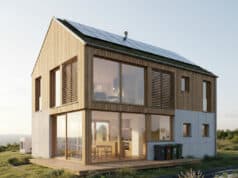
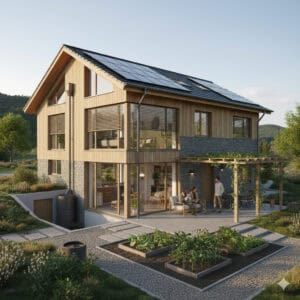
Green home concepts have become an increasingly influential force in modern residential development. Once viewed as niche or experimental, environmentally conscious design principles are now shaping how homes are planned, built, and lived in across a wide range of housing types. Rather than focusing on a single feature, green homes reflect a broader approach to resource use, comfort, and long-term livability.
Modern residential properties influenced by green concepts are not defined solely by technology or materials. They are shaped by thoughtful design decisions that consider energy use, water management, indoor environments, and how homes interact with their surroundings. These ideas are gradually redefining expectations of what a well-designed home should provide.
The Shift Toward Environmentally Aware Housing
Residential construction has traditionally prioritized shelter, layout, and aesthetics. Green home concepts introduce an additional layer of consideration: environmental impact over the life of the home.
This shift reflects growing awareness of how residential buildings contribute to energy consumption, water use, and material demand. Homes are increasingly viewed as long-term systems rather than static structures.
As a result, environmental awareness is influencing both new construction and renovation decisions.
Designing Homes With Resource Efficiency in Mind
One of the most significant ways green concepts shape modern homes is through resource efficiency. Design strategies aim to reduce energy and water demand without compromising comfort.
Homes are planned to take advantage of natural light, airflow, and thermal performance. Orientation, window placement, and shading are considered early in the design process.
These passive design choices reduce reliance on mechanical systems and support consistent indoor conditions.
Energy-Conscious Building Practices
Energy use is a central concern in green home design. Modern residential properties increasingly incorporate features that reduce heating and cooling demand.
Improved insulation, airtight construction, and efficient building envelopes help retain conditioned air. These practices allow homes to maintain comfortable temperatures with less energy input.
Energy-conscious construction influences not only operational costs but also long-term environmental impact.
Integration of Sustainable Materials
Material selection plays a key role in shaping green homes. Environmentally conscious properties often use materials chosen for durability, renewability, or lower environmental impact.
Designers consider how materials are sourced, manufactured, and maintained over time. Longevity becomes as important as initial appearance.
Material choices influence indoor air quality, maintenance needs, and the overall lifespan of the home.
Water Awareness in Residential Design
Green home concepts extend beyond energy to include water use. Modern homes are increasingly designed to use water more efficiently.
Layout decisions, fixture placement, and landscaping choices all influence water demand. Outdoor spaces are planned with water use in mind rather than relying on intensive irrigation.
This awareness reflects a broader understanding of water as a shared and limited resource.
Indoor Environmental Quality as a Design Priority
Green homes place greater emphasis on indoor environmental quality. Comfort is considered in terms of air quality, lighting, and thermal stability.
Design strategies aim to reduce indoor pollutants while supporting fresh air circulation. Natural light is used not only for energy reduction but also for occupant well-being.
These considerations influence how homes feel to live in on a daily basis.
Passive Design Strategies and Natural Comfort
Passive design is a foundational element of many green homes. These strategies rely on building orientation, thermal mass, insulation, and ventilation rather than mechanical intervention.
By responding to local climate conditions, passive design supports natural comfort throughout the year.
Modern residential properties increasingly blend passive strategies with efficient mechanical systems for balanced performance.
Landscape Design and Environmental Interaction
Green home concepts also shape how residential properties interact with their surroundings. Landscaping is designed to complement the home’s environmental goals.
Plant selection, soil management, and site grading influence water absorption, shading, and microclimate conditions.
Thoughtful landscape design supports both environmental performance and outdoor livability.
Adaptability and Long-Term Living
Modern green homes are often designed with adaptability in mind. Spaces are planned to accommodate changing household needs over time.
Adaptable layouts reduce the need for future renovations or expansions, lowering material and energy use over the home’s lifespan.
This long-term perspective aligns environmental responsibility with practical living considerations.
Construction Practices and Waste Awareness
Green home concepts influence construction methods as well as design. Builders increasingly focus on reducing waste during construction.
Efficient material use, careful planning, and reuse strategies reduce excess disposal.
Construction-phase decisions affect the environmental footprint of a home before it is even occupied.
Neighborhood and Community Influence
The impact of green home concepts extends beyond individual properties. Residential developments increasingly consider shared infrastructure, walkability, and access to amenities.
Community-level planning influences transportation needs and daily energy use.
Homes designed within environmentally aware neighborhoods support broader sustainability goals.
Balancing Performance With Everyday Comfort
Modern green homes aim to balance environmental performance with everyday comfort. Efficiency measures are integrated in ways that do not complicate daily living.
Homes are designed to feel intuitive rather than technical.
This balance helps green concepts move from niche adoption to mainstream acceptance.
Changing Expectations of Home Value
Green home concepts are also shaping how residential value is perceived. Buyers and occupants increasingly consider long-term operating costs and comfort stability.
Environmental performance becomes part of how homes are evaluated over time.
This shift influences design priorities and investment decisions.
Common Ways Green Home Concepts Shape Modern Residences
- Greater emphasis on energy and water efficiency
- Use of durable and environmentally conscious materials
- Improved indoor environmental quality
- Passive design strategies for natural comfort
- Thoughtful landscape and site planning
- Long-term adaptability and reduced renovation needs
Conclusion
Green home concepts are shaping modern residential properties by redefining how homes are designed, built, and experienced. Rather than focusing on individual technologies, these concepts promote a holistic approach to resource use, comfort, and long-term livability. As environmental awareness continues to influence housing decisions, green design principles are becoming an integral part of what defines a modern, well-considered home.