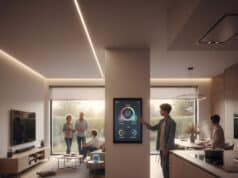
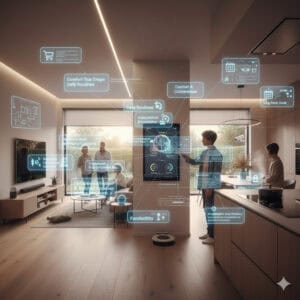
The adoption of smart home technology in residential properties has grown steadily over recent years, influenced by evolving lifestyles, technological familiarity, and changing expectations about home functionality. What was once considered a luxury or novelty is now increasingly viewed as a practical layer of modern living. Still, adoption does not follow a single pattern, nor is it driven by technology alone.
Homeowners and residents adopt smart home technology based on a mix of personal priorities, property characteristics, economic considerations, and long-term goals. Understanding these factors helps explain why adoption varies widely across regions, property types, and household demographics.
Changing Lifestyles and Daily Routines
Lifestyle changes play a significant role in shaping smart home adoption. Work-from-home arrangements, flexible schedules, and increased time spent indoors have heightened awareness of how homes support daily activities.
Smart systems that adjust lighting, climate, or security based on routines appeal to households seeking smoother daily transitions. As routines become more dynamic, the appeal of adaptable home environments grows.
Lifestyle-driven adoption often prioritizes convenience and responsiveness over advanced technical features.
Comfort and Convenience Expectations
Expectations around comfort and convenience strongly influence adoption decisions. Many property owners are drawn to technologies that simplify routine tasks or reduce manual control of household systems.
Smart thermostats, lighting controls, and automated scheduling align with the desire for homes that respond automatically rather than requiring constant attention.
When smart systems clearly enhance day-to-day comfort, adoption becomes more likely.
Familiarity With Technology
Comfort with digital technology affects willingness to adopt smart home systems. Households already accustomed to smartphones, apps, and connected devices often find smart home technology less intimidating.
Familiar interfaces and intuitive controls reduce perceived complexity. As general technology literacy increases, barriers to adoption continue to decline.
Conversely, limited familiarity can slow adoption even when potential benefits are recognized.
Perceived Practical Value
Property owners often evaluate smart home technology through a practical lens. Adoption is more likely when systems address specific needs rather than offering abstract features.
Examples include remote monitoring for frequent travelers, automated lighting for energy awareness, or smart locks for households with shared access needs.
When value is clearly linked to everyday use, smart technology feels relevant rather than optional.
Energy Awareness and Resource Management
Growing awareness of energy use influences smart home adoption. Systems that provide visibility into energy consumption or help manage heating and cooling efficiently attract attention.
Smart controls that adjust usage based on occupancy or schedules support more intentional energy management.
While energy savings alone may not drive adoption, awareness and control are increasingly viewed as benefits.
Property Type and Building Characteristics
The physical characteristics of a property shape adoption decisions. Single-family homes often offer greater flexibility for installing smart systems compared to multi-unit buildings.
Older properties may present challenges related to wiring or infrastructure, influencing which technologies are practical to implement.
Newer homes are more likely to incorporate smart-ready features, making adoption easier from the outset.
Ownership Versus Rental Considerations
Ownership status plays a key role in adoption. Homeowners tend to have more freedom to install permanent systems, while renters may favor portable or non-invasive solutions.
Shorter occupancy timelines can discourage investment in fixed installations. As a result, adoption patterns differ significantly between owned and rented properties.
This distinction influences not only adoption rates but also the types of technologies chosen.
Cost Sensitivity and Budget Priorities
Cost remains an important factor in adoption decisions. Property owners often weigh upfront expenses against perceived long-term benefits.
Smart home technology is more readily adopted when costs align with household budgets or when systems can be implemented incrementally.
Budget sensitivity encourages selective adoption rather than comprehensive system integration.
Ease of Installation and Setup
Installation complexity can either encourage or discourage adoption. Systems that require minimal modification to existing structures are generally more appealing.
Wireless technologies and plug-and-play devices reduce perceived effort and disruption.
Simpler setup processes lower barriers for households interested in gradual adoption.
Interoperability and System Compatibility
Compatibility between devices influences adoption confidence. Property owners often consider whether new devices will integrate smoothly with existing systems.
Concerns about fragmented platforms or incompatible devices can delay decisions.
Clear integration pathways support broader and more confident adoption.
Security, Privacy, and Trust Considerations
Concerns about data security and privacy affect smart home adoption. Devices that collect or transmit data raise questions about control and protection.
Trust in system reliability and data handling influences willingness to adopt connected technologies.
Transparency and user control are important factors in building confidence.
Influence of Market Availability and Awareness
Awareness of smart home options shapes adoption patterns. Exposure through new housing developments, media, or social networks increases familiarity.
Availability of products that address local needs or property types supports broader adoption.
As awareness grows, adoption becomes more informed rather than exploratory.
Long-Term Property Goals
Some property owners consider smart home technology as part of long-term planning. Systems that support aging in place, remote monitoring, or future adaptability influence decisions.
Adoption may align with broader goals related to property use and longevity.
Long-term thinking supports more deliberate and targeted implementation.
Common Factors That Shape Smart Home Adoption
- Changing lifestyles and daily routines
- Comfort and convenience expectations
- Familiarity with digital technology
- Perceived practical value
- Energy awareness and control
- Property type and infrastructure
- Ownership status and flexibility
- Cost and installation considerations
- Security and privacy concerns
Conclusion
The adoption of smart home technology in residential properties is shaped by a combination of lifestyle needs, practical value, property characteristics, and personal comfort with technology. Rather than following a single trend, adoption reflects individual priorities and circumstances. As smart systems continue to evolve and integrate more seamlessly into everyday living, understanding these influencing factors helps explain why smart home adoption progresses at different speeds across households and housing types.