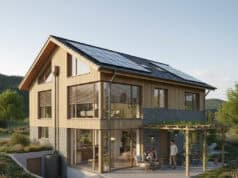

Environmentally conscious homes are designed around the idea that residential spaces can support comfort and livability while reducing their impact on natural resources. Rather than relying on a single defining feature, these homes incorporate a combination of design strategies, materials, and systems that work together to improve efficiency and long-term performance.
The features found in environmentally conscious homes are often subtle and integrated into everyday living. They reflect thoughtful planning that considers how a home uses energy, water, and materials over time. Understanding these features provides insight into how green design principles translate into real residential environments.
High-Performance Building Envelopes
A defining feature of environmentally conscious homes is a high-performance building envelope. The envelope includes walls, roofs, windows, and doors that separate indoor spaces from the outdoors.
Improved insulation and airtight construction help maintain stable indoor temperatures. This reduces the need for frequent heating and cooling adjustments.
High-performance envelopes form the foundation for many other green features.
Energy-Efficient Windows and Glazing
Windows play a critical role in environmental performance. Environmentally conscious homes often use advanced glazing to manage heat transfer and daylight.
Proper window placement and performance reduce unwanted heat gain in summer and heat loss in winter.
Natural light is maximized while maintaining thermal comfort.
Efficient Heating and Cooling Systems
Green homes typically include heating and cooling systems designed to operate efficiently within the building’s thermal envelope.
System sizing and integration are carefully considered to avoid excess energy use. Efficient systems support consistent comfort with lower resource demand.
Mechanical systems are often paired with passive design strategies.
Thoughtful Home Orientation and Layout
Orientation is an important feature of environmentally conscious homes. Buildings are positioned to take advantage of sunlight, prevailing winds, and natural shading.
Interior layouts are designed to support airflow and daylight penetration.
These design decisions influence comfort and energy use throughout the year.
Passive Design and Natural Ventilation
Passive design strategies reduce reliance on mechanical systems. Natural ventilation pathways support fresh air circulation without constant energy input.
Shading elements and thermal mass help moderate indoor temperatures.
Passive features work quietly in the background to support comfort.
Water-Efficient Fixtures and Systems
Environmentally conscious homes often include fixtures designed to reduce water use. Showers, faucets, and toilets are selected for efficiency.
Water-efficient systems help manage consumption without affecting daily usability.
These features reflect awareness of water as a shared resource.
Rainwater and Water Management Features
Some green homes incorporate systems that manage rainwater on-site. Roof design, gutters, and drainage direct water effectively.
Landscaping is planned to absorb and manage runoff.
These features reduce strain on external drainage systems.
Energy-Conscious Lighting Design
Lighting in environmentally conscious homes is designed to reduce energy demand while maintaining visual comfort.
Natural daylight is prioritized, reducing reliance on artificial lighting during the day.
Efficient lighting strategies support lower energy use.
Use of Durable and Responsible Materials
Material selection is a key feature of green homes. Durable materials reduce the need for frequent replacement or repair.
Materials are often chosen for longevity, performance, and lower environmental impact.
Responsible material use supports sustainability across the home’s lifespan.
Improved Indoor Air Quality Features
Environmentally conscious homes often focus on indoor air quality. Design strategies reduce indoor pollutants and support fresh air exchange.
Ventilation systems and material choices contribute to healthier indoor environments.
Air quality features enhance daily comfort and well-being.
Efficient Appliance and System Selection
Appliances and household systems in green homes are selected for efficiency and performance.
Efficient equipment supports lower energy use without reducing functionality.
Appliance choices align with broader energy management strategies.
Smart Controls and Monitoring
Many environmentally conscious homes incorporate smart controls to manage energy and water use.
Monitoring tools provide feedback that supports informed decision-making.
Smart features help optimize performance rather than replace traditional systems.
Landscape Design Supporting Environmental Goals
Outdoor spaces are designed to complement environmental performance. Plant selection reduces water demand and supports local ecosystems.
Landscaping influences microclimate conditions around the home.
Thoughtful outdoor design extends green principles beyond the building itself.
Waste Reduction and Storage Considerations
Some green homes include design features that support waste reduction. Storage for recycling and composting is integrated into layouts.
These features encourage responsible household practices.
Waste awareness is incorporated into everyday living.
Adaptability and Long-Term Use
Environmentally conscious homes are often designed for long-term adaptability. Flexible layouts accommodate changing needs without major renovation.
This adaptability reduces future resource use.
Long-term planning supports sustainability beyond initial construction.
Common Features Found in Environmentally Conscious Homes
- High-performance insulation and airtight envelopes
- Energy-efficient windows and glazing
- Efficient heating, cooling, and ventilation systems
- Passive design and natural ventilation strategies
- Water-efficient fixtures and management systems
- Durable and responsibly selected materials
- Improved indoor air quality features
- Environmentally aware landscape design
Conclusion
Environmentally conscious homes are defined by a collection of integrated features rather than a single solution. From building envelopes and passive design strategies to efficient systems and thoughtful material choices, these features work together to support comfort and resource awareness. By understanding the key elements commonly found in green homes, the practical application of environmental design principles in modern residential living becomes clearer.