
Interior design and renovation projects do more than alter the appearance of a home. They directly influence how living spaces function on a daily basis, shaping movement, usability, comfort, and adaptability. Whether through small updates or comprehensive renovations, design decisions affect how residents interact with their environment over time.
Modern homes are expected to support multiple activities, often within the same space. Interior design and renovation projects respond to these expectations by rethinking layouts, storage, lighting, and material use. Understanding how these projects shape functionality helps explain why thoughtful planning is as important as visual style.
Function as the Foundation of Interior Design
At its core, interior design is closely tied to function. While aesthetics influence mood and identity, functionality determines how well a space supports everyday living.
Renovation projects often begin when existing spaces no longer meet functional needs. Changes in household size, lifestyle, or work patterns prompt reassessment of how rooms are used.
Design choices translate these needs into spatial solutions that improve daily routines.
Layout Changes and Spatial Flow
One of the most impactful ways renovation shapes function is through layout modification. Walls may be added, removed, or repositioned to redefine how spaces connect.
Open layouts can improve circulation and flexibility, while defined rooms may enhance privacy and noise control. Each approach supports different functional priorities.
Spatial flow influences how easily occupants move through the home and how spaces interact with one another.
Room Purpose and Multi-Use Spaces
Interior renovation often reflects changing expectations about room purpose. Spaces that once served a single function may now support multiple activities.
Living rooms may accommodate work areas, dining spaces may double as study zones, and bedrooms may include storage or seating functions.
Design decisions help balance these uses without overcrowding or confusion.
Storage Integration and Everyday Usability
Storage is a key functional consideration in interior renovation. Poorly planned storage can disrupt daily routines and reduce usable space.
Renovation projects often introduce built-in storage, optimized cabinetry, or reconfigured closets to improve organization.
Well-integrated storage supports cleaner spaces and more efficient use of available square footage.
Lighting Design and Functional Comfort
Lighting influences how spaces are used throughout the day. Interior design projects often reassess lighting to better support function.
Task lighting improves usability in kitchens, work areas, and bathrooms, while ambient lighting supports overall comfort.
Renovation allows lighting to be aligned with how each space is actually used rather than relying on a single, generalized solution.
Material Choices and Practical Performance
Material selection affects both appearance and functionality. Flooring, wall finishes, and surfaces influence durability, maintenance, and comfort.
Renovation projects often replace materials that no longer suit usage patterns. For example, high-traffic areas may require more durable finishes.
Material performance plays a significant role in how well a space functions over time.
Kitchen Renovations and Functional Efficiency
Kitchens are among the most function-driven spaces in a home. Renovation projects often focus on improving workflow, storage, and accessibility.
Changes to counter placement, appliance layout, and circulation paths can significantly improve efficiency.
Functional kitchen design supports daily tasks while accommodating social interaction.
Bathroom Design and Everyday Practicality
Bathroom renovations shape function through layout, fixture placement, and storage solutions.
Improved accessibility, better lighting, and efficient use of space enhance daily routines.
Design decisions influence both comfort and ease of maintenance.
Acoustic Considerations and Space Use
Sound management affects how spaces function, particularly in multi-use or shared homes.
Interior design and renovation can address acoustics through layout changes, materials, and finishes.
Improved acoustic comfort supports concentration, privacy, and relaxation.
Adaptability and Future Needs
Renovation projects increasingly consider how spaces can adapt over time. Flexible layouts and movable elements support changing needs.
Design choices that allow reconfiguration reduce the need for frequent future renovations.
Adaptability enhances long-term functionality.
Accessibility and Inclusive Design
Interior renovation can improve accessibility by adjusting layouts, door widths, and fixture placement.
Inclusive design supports occupants of varying ages and abilities.
Functional improvements increase usability without compromising visual coherence.
Integration of Technology and Function
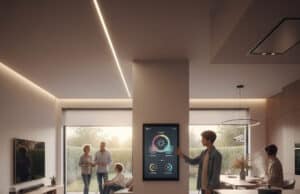
Modern renovations often incorporate technology to support function. Lighting controls, climate management, and integrated systems influence daily use.
Technology integration works best when aligned with spatial design rather than added later.
Functional technology enhances rather than complicates living spaces.
Balancing Aesthetics and Practicality
Successful interior design balances visual appeal with usability. Renovation projects must navigate this balance carefully.
Design elements that look appealing but hinder movement or maintenance reduce functional value.
Function-driven design supports long-term satisfaction.
Impact on Daily Routines and Habits
Interior design shapes how occupants move, store items, and perform tasks.
Renovation projects often aim to reduce friction in daily routines by improving layout and access.
Functional improvements become most apparent through everyday use.
Common Ways Interior Design and Renovation Shape Function
- Improving spatial flow and circulation
- Supporting multi-use and flexible spaces
- Enhancing storage and organization
- Aligning lighting with practical needs
- Improving accessibility and comfort
- Adapting spaces to evolving lifestyles
Conclusion
Interior design and renovation projects shape the function of living spaces by aligning layout, materials, lighting, and storage with real-world use. Beyond visual change, these projects influence how homes support daily routines, adaptability, and comfort over time. By focusing on function alongside aesthetics, interior design and renovation transform living spaces into environments that respond more effectively to the needs of modern residential life.