
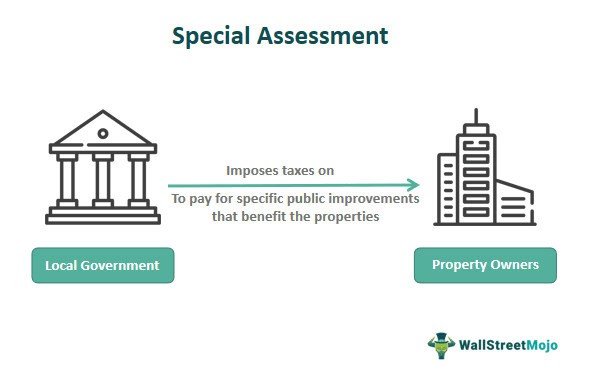
 12For many homeowners, especially those living in condominiums or planned unit developments (PUDs), the monthly HOA fee is a predictable part of the budget. However, there is a much more feared financial event that can suddenly appear on a homeowner’s doorstep: the special assessment. In the real estate industry, a special assessment is a one-time fee or tax levied by a local government or a Homeowners Association (HOA) to fund a specific project that the regular budget cannot cover. Unlike recurring property taxes or HOA dues, a special assessment is targeted and temporary, but it can often amount to thousands of dollars, catching a property owner completely off guard.
Whether you are buying a single SFH or a commercial parcel, the possibility of a special assessment is a major factor in your long-term financial health. When a property goes under contract, a thorough title search and HOA document review are required to see if any assessments are “pending.” If a seller fails to disclose an upcoming assessment, it can be considered a “financial latent defect,” potentially derailing the deal before it reaches the final settlement statement.
Two Main Types of Special Assessments
To understand how a special assessment affects your property value, you first need to identify the source. There are generally two types:
- Government Special Assessments: These are levied by a municipality for public improvements that specifically benefit your parcel. Examples include installing new sewer lines, paving a gravel road, or adding streetlights. Only the owners who benefit from the project pay the tax.
- HOA Special Assessments: These occur when a condo board or HOA doesn’t have enough money in their “reserve fund” to pay for a major repair. This might include a new roof for the building, repairing a structural latent defect in a parking garage, or upgrading an elevator.
How Special Assessments Impact Valuation and Comps
When you are looking at real estate comps, you must look deeper than just the sale price. If two identical condos sold for the same price, but one has a $20,000 special assessment pending, they are not actually “comparable.” A pending assessment effectively lowers the value of the property. For investors analyzing a T12 in real estate, a history of frequent special assessments is a red flag, indicating that the property has been poorly managed or that the infrastructure is failing. This can negatively impact the net absorption of the building, as high fees drive away potential tenants.
Special Assessments in the PSA and Closing
The negotiation of who pays for a special assessment is a critical part of the PSA in real estate. Standard contracts usually state that any assessments levied before the closing date are the responsibility of the seller, while those levied after are the responsibility of the buyer. However, “pending” assessments—those that have been discussed but not yet voted on—fall into a gray area. A buyer might demand a credit on the settlement statement to cover a future assessment. Lenders also keep a close eye on this. If an HOA has a massive special assessment, the underwriter may refuse to fund the loan, fearing the buyer will be unable to pay both the mortgage and the assessment.
Special Assessments and Plottage Strategy
For developers involved in plottage in real estate, special assessments can be a double-edged sword. A municipality might levy an assessment to build a new transit station near your assembled parcels. While this is an immediate cost, the long-term benefit of increased infrastructure can drastically improve your property’s “highest and best use.” Unexpected plumbing repairs are among the expenses that property owners should consider, making access to reliable Melbourne plumbing services particularly valuable. In this case, the assessment is an investment in the future value of the land.
Conclusion
A special assessment is one of the few “surprises” in real estate that can truly damage a property owner’s finances. Whether it’s a new roof for a condo or a new sewer line for an SFH, these costs are often significant. Protecting yourself requires diligent research into the property’s HOA minutes and local government plans before you ever sign an RPA in real estate.
Before you move a property to under contract status, ask for the “Resale Certificate” and the reserve study. Compare the real estate comps to see if other units have recently paid assessments. If a major latent defect is identified in the HOA’s common areas, expect an assessment soon. Finally, check your final settlement statement to ensure any agreed-upon credits for assessments have been applied. By staying informed, you can prevent a special assessment from turning your dream home into a financial nightmare.