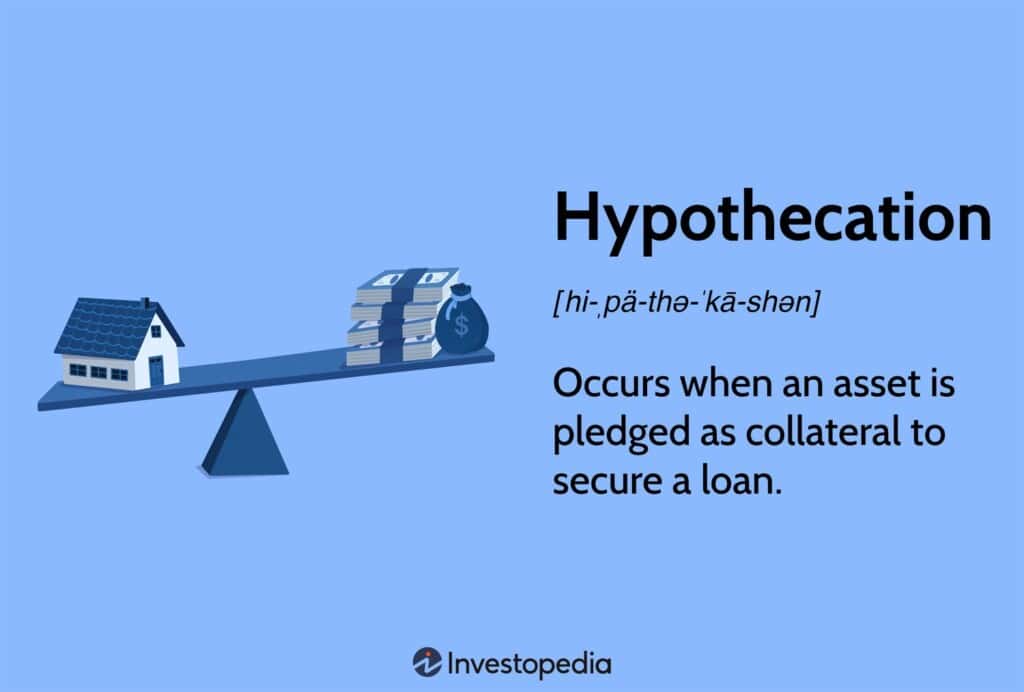
 The word “hypothecation” sounds like a complex scientific theory, but it is actually the legal concept that makes the entire modern mortgage market possible. In its simplest form, hypothecation is the practice of pledging a parcel of real estate as collateral for a loan without actually giving up possession of that property. It allows you to live in your home, cook in your kitchen, and paint your walls, even though a bank technically holds a legal interest in the property. You have the “use” of the asset, while the lender has the “security” of the asset.
This is a major departure from a “pledge” (like a pawn shop), where you have to physically hand over the item to get the cash. Without hypothecation, you would have to move out of your house and let the bank hold the keys until your 30-year mortgage was paid off. Instead, through the PSA in real estate and the subsequent mortgage deed, you hypothecate your home to get the financing you need.
How Hypothecation Works in a Real Estate Deal
When you are under contract to buy an SFH, your lender will provide you with various disclosures required by TRID. These documents explain that in exchange for the loan, you are granting the lender a “lien” on your property. This is the act of hypothecation. The lender doesn’t want to own your house; they want the interest on the money they lent you. However, the hypothecation agreement gives them the right to seize the property through foreclosure if you stop making payments.
The value of the hypothecated asset is determined by real estate comps. If the property value drops significantly, the bank’s “collateral” is at risk. This is why lenders are so strict about appraisals—they need to ensure the parcel they are hypothecating is worth at least as much as the money they are giving you.
Hypothecation vs. Equitable Title
An interesting side effect of hypothecation is the split in “title.” While you are paying off the loan, you have “Equitable Title,” which gives you the right to enjoy the property and build equity. The lender has “Legal Title” (in “Title Theory” states) or a “Lien” (in “Lien Theory” states). Once you sign the final settlement statement and pay off the mortgage, the hypothecation is “extinguished,” and you receive full, unencumbered title to the property.
Hypothecation in Commercial and Investment Properties
In the world of professional investing, hypothecation is used even more aggressively. An investor might use the equity in one parcel to hypothecate a loan for a second property. This is known as “cross-collateralization.” By pledging the T12 in real estate income and the physical value of multiple buildings, an investor can build a massive portfolio with relatively little of their own cash.
Furthermore, hypothecation allows for complex strategies like plottage in real estate. A developer can hypothecate several small lots to get a construction loan for a large-scale project. The lender feels secure because they have a lien on the land, and the developer can continue to work on the site to increase its value.
Risks: When Hypothecation Goes Wrong
The main risk of hypothecation is, of course, the loss of the asset. If the market crashes and real estate comps drop, you might find yourself “underwater,” meaning you owe more than the hypothecated asset is worth. Additionally, if you fail to disclose a latent defect that significantly lowers the property’s value, the lender could technically argue that the collateral is insufficient, potentially triggering a “call” on the loan.
Conclusion
Hypothecation is the invisible thread that connects the dream of homeownership with the reality of finance. It is the legal compromise that allows us to own and use property while still providing security to the banks that fund our purchases. Without it, the real estate market as we know it would cease to exist.
As you move through the process of getting under contract, pay close attention to the “Security Instrument” in your loan package. This is where your hypothecation promises are made. Compare your real estate comps to ensure your collateral is strong, and always review your settlement statement to see how the loan is being structured. By understanding hypothecation, you can use your parcel as a powerful financial tool rather than just a place to live.