
 For many real estate investors, the dream of owning large-scale commercial property is often sidelined by the “three Ts”: Tenants, Toilets, and Trash. Managing a physical parcel of land can be a full-time job that many high-net-worth individuals simply don’t want. Enter the DST, or Delaware Statutory Trust. This specialized legal entity has become a cornerstone of modern tax planning and passive real estate investment, particularly for those looking to exit active management through a 1031 exchange.
A Delaware Statutory Trust is a legally recognized trust that allows multiple investors to hold fractional ownership in a professionally managed, institutional-grade piece of real estate. Whether it’s a 300-unit apartment complex, a massive distribution center, or a portfolio of medical offices, a DST allows an individual to enjoy the benefits of ownership without the headaches of daily operations.
The Mechanics of a DST Investment
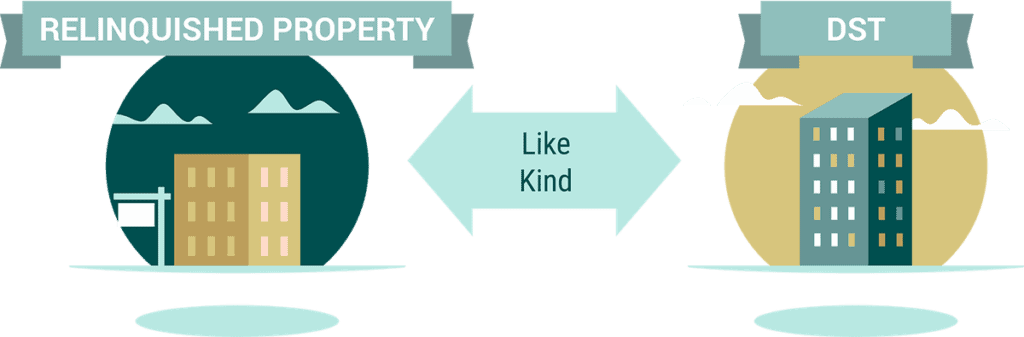
In a DST structure, the trust holds the legal title to the real estate asset. Investors purchase “beneficial interests” in that trust. For federal income tax purposes, the IRS treats this interest as a direct interest in real estate. This is a crucial distinction because it allows the investment to qualify for a 1031 exchange, enabling investors to defer capital gains taxes indefinitely.
The lifecycle of a DST typically follows these steps:
- Acquisition: A “sponsor” (a professional real estate firm) identifies and buys a high-value property.
- Structure: The sponsor places the property into a DST and secures financing.
- Offering: The sponsor sells fractional shares of the trust to “accredited investors.”
- Management: The sponsor handles all leasing, maintenance, and financial reporting.
- Exit: After a set period (usually 5-10 years), the property is sold, and investors receive their share of the proceeds.
Why Investors Choose DSTs Over Traditional Ownership
The shift from owning a traditional SFH (Single Family Home) rental to a DST is often driven by the desire for institutional quality and passive income. In a DST, you are not the one arguing over a latent defect in the plumbing; the professional management team handles that.
1. Access to Institutional Assets
Most individual investors cannot afford to buy a $50 million Amazon-leased warehouse on their own. However, through a DST, an investor with $100,000 can own a piece of that high-performing asset. This provides access to triple-net leases and high-quality tenants that are usually reserved for the ultra-wealthy or hedge funds.
2. Tax Deferral (The 1031 Exchange)
The primary driver for the DST market is the 1031 exchange. If you sell a rental property, you typically owe significant taxes on the gain. By rolling that equity into a DST, you defer those taxes. Because DSTs are “pre-packaged,” they are perfect for investors facing the strict 45-day identification deadline of a 1031 exchange.
3. Diversification
Instead of putting all your capital into one building, you can spread your investment across multiple DSTs. You might put a portion into a Texas multifamily complex and another into a Florida retail center. This mitigates the risk associated with a single parcel or local economy.
The Downside: What to Watch Out For
While the DST offers many “Google-friendly” benefits, it is not without risk. The most significant factor is the **lack of control**. As a beneficial owner, you have no say in when the property is sold or how it is managed. You are essentially “hiring” the sponsor to make all decisions for you.
Furthermore, DSTs are **illiquid**. Unlike a REIT (Real Estate Investment Trust), you cannot sell your shares on a public exchange. You are generally committed to the investment until the sponsor decides to sell the entire property. Before signing a PSA (Purchase and Sale Agreement) for a DST interest, it is vital to review the sponsor’s track record and the property’s T12 financial history.
DST vs. REIT: What is the Difference?
Many people confuse DSTs with REITs. The main difference lies in the tax treatment. While a REIT provides dividends, it does not typically qualify for 1031 exchange treatment. When you sell a REIT, you can’t roll the proceeds into a new property tax-free. A DST is specifically designed to be “like-kind” property, making it the preferred vehicle for tax-conscious real estate veterans.
Conclusion: Is a DST Right for You?
The Delaware Statutory Trust (DST) is a powerful tool for the “tired landlord” or the investor looking to level up into institutional real estate. It offers a unique combination of tax efficiency, professional management, and high-quality asset exposure. However, it requires a willingness to give up control and a long-term investment horizon.
As you plan your investment journey, understanding these complex structures is just as important as knowing the basics of a settlement statement. Whether you are moving from a small apartment building or a large commercial tract, the DST could be the key to your passive income goals. Ready to explore more financial terms? Read our guide on TRID in real estate to stay informed on modern lending regulations.